
Between Peaks and Tides: Maker Portraits
Step into maker portraits: artisans bridging mountain and sea traditions, where hand skills travel along river valleys to the coast and return on salt-stiff sails. We’ll meet boatbuilders borrowing alpine joinery, shepherd-weavers dyeing with kelp and lichens, and smiths tempering blades to withstand both talus and tide. Expect field notes, oral histories, and practical prompts inviting your participation, as we follow tools, songs, recipes, and stewardship practices that connect high ridgelines to working harbors and keep living knowledge adaptable, generous, and vividly awake.
Origins Carved by Weather and Water
Across generations, mountain paths and coastal inlets have traded not only goods, but craft vocabularies shaped by frost, fog, steep grades, and shifting currents. By tracing routes where wool met salt, timber met tar, and prayers met barometers, we uncover how makers converted constraints into ingenious methods, balancing precision with improvisation. These beginnings reveal kinship between barn beams and mast steps, shepherd crooks and tillers, blessing bowls and bait boxes—objects tuned to local ecologies yet conversant across distance.
Alpine Joinery in Working Hulls
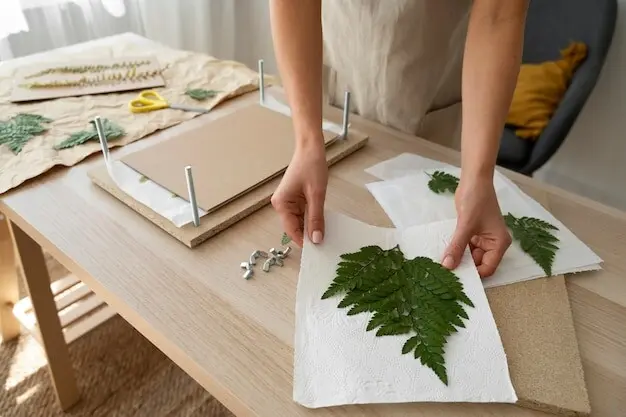
Shipwrights along rough coasts adopted scarf joints and wedged tenons perfected in high-country barns, translating snow-load logic into wave-impact resilience. I watched an elder align spruce garboards like rafters, tapping shims with a rhythm learned in winter sheds, then caulking seams with lichen oil and flax for flexible strength.
Colors Brewed from Kelp and Lichens
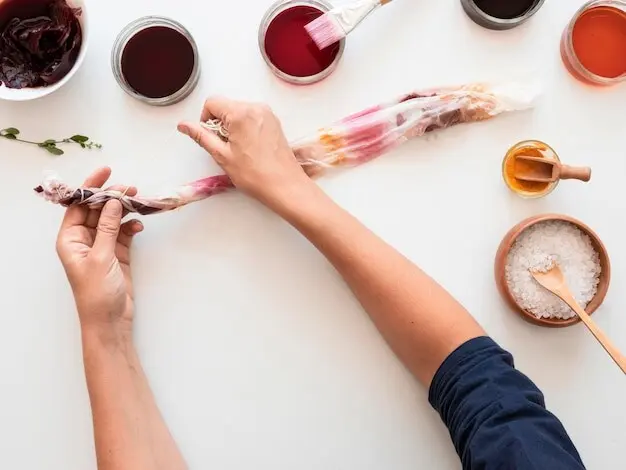
On foggy afternoons, weavers simmer seaweed with alum and dried lichen, coaxing greens that echo tidepools and alpine moss. A grandmother taught a dye bath that changes with moon cycles and snowmelt, her skeins mapping watersheds in gradients, every scarf becoming a tidal chart for the shoulders.
Salt, Smoke, and the Long Year
Pastoral calendars once hinged on salt caravans and herring runs, a choreography of packing, brining, hauling, and resting. Cheesemakers exchanged rennet lore for net-mending tips, while smokehouses welcomed shepherds and deckhands alike, sharing techniques for keeping nourishment safe through blizzards, gales, and the hopeful lean weeks before spring.
Tools that Travel the Passes
Certain tools carry stories in their handles: adzes sharpened in glacial valleys, knives ground on harbor stones, awls wrapped in wool twine. When makers migrate seasonally or follow work to distant docks, they adapt edges and grips, marrying stability for ice-crusted mornings with agility for heaving decks and sudden spray.
A Hammer with Two Horizons
Marin, a blacksmith raised above treeline, forged a peening hammer that later tuned copper rivets in a boatyard. The face bears dings from crampon repairs; the peen remembers clenching clinker planks. He says each strike tests weather, reading metal as if scanning cloud bands for hardening winds.
Knives Tempered by Glaciers and Currents
Blades quenched in snowmelt gain a particular bite; later, honed with briny slurry, they meet rope and hide without tearing. A fisher-leatherworker showed me a blade whose spine mimics a moraine ridge, while the edge tracks like a keel through cartilage, calm, true, and merciful to hands.

Materials with Two Homes
Supplies gathered from ridge to reef invite dialogue: resinous softwoods light enough for masts yet sturdy for roof ribs; shells that flux clay at lower temperatures; wools that felt against both sleet and salt spray. Makers pair contrasts—porous and dense, pliant and tough—so objects endure change without surrendering grace.
Rituals, Markets, and Shared Meals
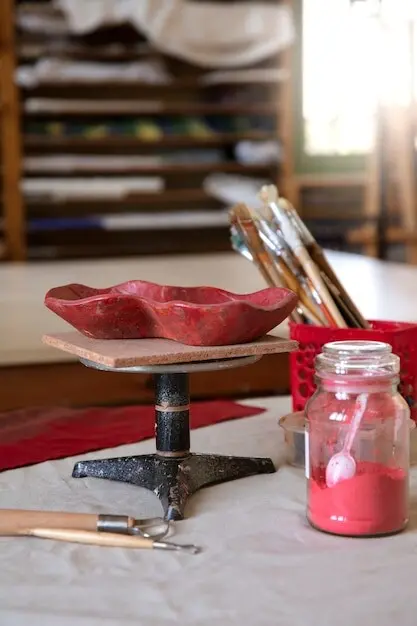
Craft thrives where people gather to trade, bless, celebrate, and mourn. Ridge fairs once echoed with goat bells and sea shanties, a chorus braided from upland and inlet. Recipes traveled with tool rolls; instruments nestled beside eel traps. Around long tables, knowledge transferred through laughter, steam, patient hands, and gratitude.
Sustainability Woven Across Watersheds
Mountain rain becomes river, becomes estuary, becomes sea; every making choice flows downstream and back again. Artisans here notice spawning grounds, avalanche paths, timber rotations, and ferry wakes, designing for repair, seasonality, and reciprocity. The goal is interdependence: livelihoods that protect sources, invite renewal, and welcome apprentices into caring cycles.
In apprenticeships, students sketch creeks, mills, ports, and grazing commons, then label materials sourced responsibly from each zone. They interview keepers of weirs and foresters, chart closures, and schedule harvests accordingly. Maps hang beside pattern blocks, reminding everyone to build like rain—soaking, pooling, and returning without harm.
Most studios host mending days where net needles, darning mushrooms, and rivet sets wait like kindly surgeons. Folks bring boots salted by crossings and paddles bruised by rocks. Fixing becomes celebration, a chance to pass on stitches and gratitude while counting fewer things in the landfill, more in service.
Work lists flex with migrations and melt. Boat ribs bend during spring thaws; wool scours when rivers run lowest; berry dyes brew after tides slack. Such timing reduces strain on ecosystems and people alike, aligning production with generosity, yielding durable goods and rested bodies rather than extraction’s brittle rush.
Field Assignments for Attentive Hands

Walk from ridge shadow to tide line, logging textures underfoot and tool marks on barns, floats, and skiffs. Sketch joints that repeat in both places. Collect stories, not specimens. Then write us what patterns you noticed, how they guide care, and which mentors deserve a visit next.
Interview a Neighbor, Sketch Their Tool
Over tea or on a pier, ask about a well-used implement: where it was made, what failed, what was fixed, whose hands learned next. Draw it from three angles. Share your sketch and transcript with us; we may feature your insight and connect you with a regional maker.
Share Your Path Between Summit and Surf
Post a photo or short audio showing how your day moves from cold air to salt air, or the reverse. Describe scents, weights, and sounds. Tag us so we can celebrate your practice, introduce collaborators, and weave more crossings between places that keep one another alive.
All Rights Reserved.