
Alps-to-Adriatic Slowcraft: Hands, Mountains, and Sea
From snow-brushed passes to salt-bright harbors, Alps-to-Adriatic Slowcraft celebrates making that breathes with weather, seasons, and shared memory. Wander through living workshops where wool, wood, and stone move from ridge to shoreline, shaped by care, patience, and place. Meet makers who measure time by drying boards, quiet stitches, and oar-balanced tides, and join a conversation that values stories behind objects as much as their beauty. Share your questions, subscribe for field notes, and help map future pathways for respectful travel and learning.
Tracing the High Passes
Across the northern arc, caravans once stitched valleys to the coast, and today those routes still whisper directions for curious feet. Following their contours reveals how ideas ride alongside materials: carving styles borrow from sailmakers’ curves, and lace patterns echo snowdrifts. Travel slowly, greeting innkeepers who remember old fairs, reading waymarkers, tasting cheeses named for meadows, and noticing how each village refines a skill. Share which pass you would start with, and we will send tailored maps and maker introductions.
Paths that Breathe
Predil, Vršič, and the Plöcken once welcomed packhorses heavy with wool, salt, and iron, while shepherds traded news about lambing and weather. Today, hikers pause where smithies rang, and chapels still shelter travelers. Walking these gradients teaches tempo: ascent invites quiet, descent tempts conversation. Note cairns near springs where dyers soaked bark, and sketch motifs found on lintels. Comment with your favorite mountain rest spots, and we will compile a reader-sourced refuge list with respectful visiting notes.
Markets of Memory
Villach’s festivities, Udine’s courtyards, and Trieste’s waterfront once hosted stalls where chair-makers bartered with sail repairers, and cheese sellers chatted with knife grinders. Market days stitched neighbors into extended guilds without paperwork. Seek small Friday pop-ups, listen for dialects, and watch how prices consider time, not only materials. If you have photographs or family stories from regional fairs, add them to our archive; we’ll feature selected memories and craft a shared glossary for future travelers and learners.
Hands that Shape Wool, Wood, and Stone
Craft here listens first: to snowmelt timing, to forest shade, to tides folding into harbors. Makers treat slowness as a tool, not a delay. Wool shrugs off storms because flocks wander high; wood bends kindly when cured near breezes; limestone holds warmth long after sunset. Notice how tools are sharpened for a single gesture repeated lovingly for decades. Tell us which material speaks to you, and we’ll suggest studios offering visits, workshops, or apprenticeships respectful of seasonal rhythms.
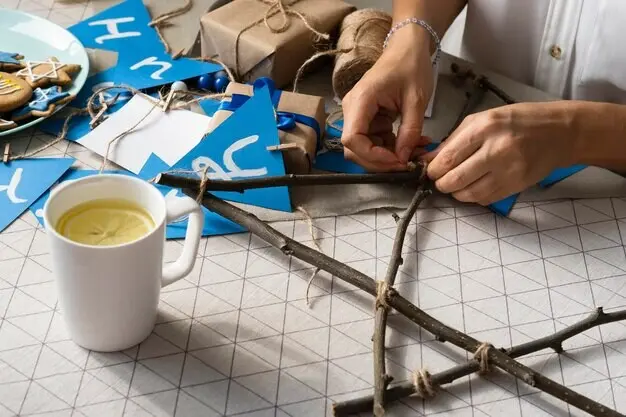
Wool that Remembers Snow
Mountain fleeces grow dense where winds test patience, and their fibers twist into yarns that forgive mistakes and wear gently over years. Plant dyes—walnut, onion skin, weld—lean into soft mineral water, setting tones like fog over spruce. Carders hum beside kitchen windows; spinners match treadle cadence to evening bells. When you purchase a scarf, you hold weather sense and pasture songs. Share your washing routines or moth-prevention tips, and we will exchange gentle care practices together.
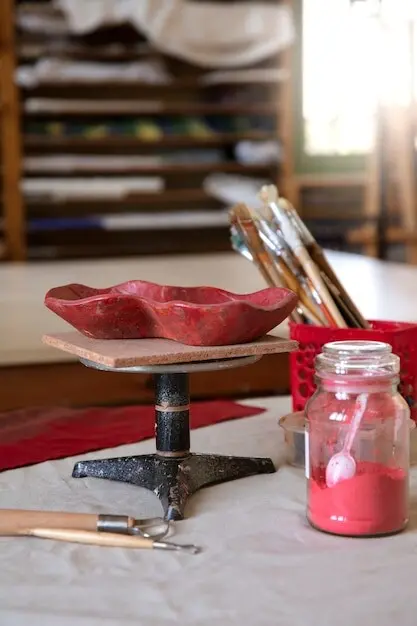
Wood with a Seafaring Grain
Valley workbenches shape chair spindles that carry the hush of beech forests, while along lagoons, larch ribs learn the curve of waves. The same drawknife can outline a spoon for polenta or refine a strake for a skiff. Drying sheds count months, not days, and patience builds strength into joints invisible to casual eyes. If wood speaks to you, tell us your favorite species and finish; we’ll recommend makers and oils that match your climate and usage.
Stories from Workshops and Sheds

The Knife Maker of Maniago
In a workshop smelling of oil and river stone, a bladesmith lifts a grandfather’s file to check an edge that has only names, not angles. He cools steel in patience, not hurry, and polishes until reflections carry mountain silhouettes. His mother wraps finished knives in linen saved from wedding trousseaus. Buyers return annually, reporting how handles darkened with meals cooked for friends. Ask about heat colors, and he will answer with seasons. Leave a note; he might answer between quenches.
Idrija Lace at Dusk
Bobbin clicks measure twilight while a kettle hums, and patterns grow like frost across a window. The lacemaker learned counting from her aunt, who learned from market days under canvas, rain tapping rhythms. Threads glide over pillows firm with straw, pins glinting like evening stars. She pauses to hear church bells, checks tension, and smiles at a motif echoing mountain ferns. If you have tried bobbin work, describe your wrist rests and lighting; she will rejoice in your patience.
Gondola Nails and Quiet Oars
In a tucked-away boatyard, a forcola—an oarlock sculpted like a gesture—emerges from walnut that once shaded courtyard gossip. The builder listens to how an oar whispers against water, carving facets that decide turning, braking, and glide. Nearby, a nail-maker tempers tiny fastenings that will never be seen, yet hold dignity together for decades. Visitors sometimes clap too soon; the master grins, then sands again. Share the boats you have loved, and we will chart their making stories.
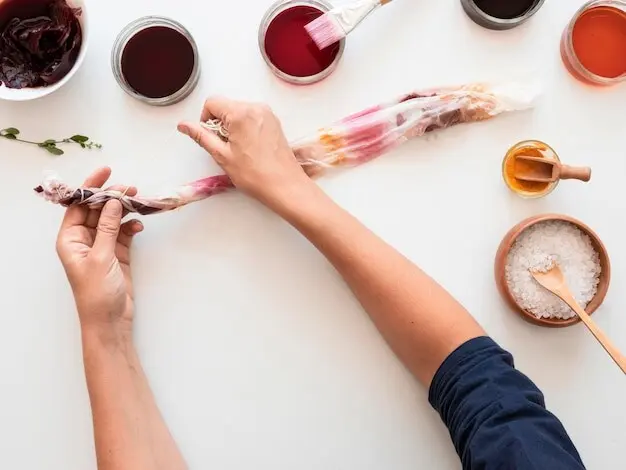
Practice Slow, Travel Slow
Travel here means moving at the speed of conversation and noticing when workshops open with daylight rather than signage. Plan buffers, bring a notebook, and ask before photographs. Accept detours as gifts: a roadside stall might teach more than a museum. When you return home, write a small field report for our readers. Your observations guide others toward respectful encounters, and your subscriptions help us fund translations, map updates, and stipends for makers generously sharing their guarded, generous knowledge.
Consider a path from Villach over Vršič into the jade Soča, then down through Cividale’s bridges toward Trieste’s moles, ending with a side trip to Piran. Along the way, schedule unhurried studio visits: a chair shop in Manzano, a carver in Val Gardena, a net mender near Grado. Eat simply, tip kindly, and rest often. Comment with your available days and interests; we will suggest pacing, transport links, and respectful introductions shaped by seasons and local festivities.
Arrive on foot if possible, greet first, and let questions follow observation. Ask about a single tool rather than the whole process, and purchase something within your means. Avoid haggling; instead, request care notes or a tiny offcut as a learning relic. Translate gratitude into the local language, even imperfectly. Share phrases you tried and how they landed, and we’ll build a small, printable card with greetings in Italian, Slovene, Friulian, German, and Croatian, tuned for workshops and markets.

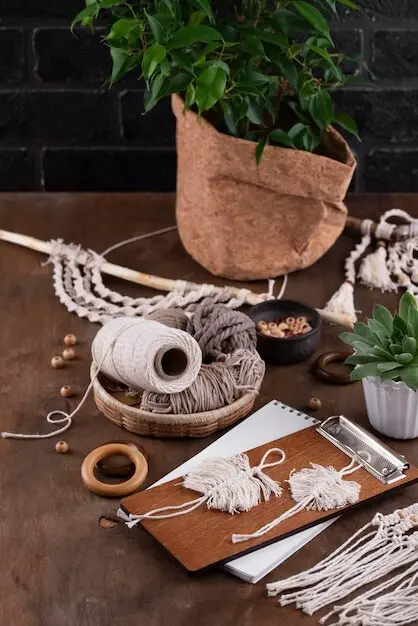
Techniques to Try at Home
You can honor distant valleys by practicing with what you have nearby. Keep ambitions modest, tools sharp, and curiosity active. Let sound guide you: the rasp, the shuttle, the whittle. Document mistakes; they become maps toward skill. Share photos of your attempts, and tag the sensations you notice—resistance, fragrance, warmth. Our newsletter will gather reader experiments, offer corrections from regional mentors, and suggest books, workshops, and seasonal challenges that grow ability without rushing or emptying savings for specialized gear prematurely.
An Economy of Care
Slowcraft thrives when forests, flocks, quarries, and families are stewarded with dignity. Paying fairly funds apprenticeships, tool maintenance, habitat care, and time for experimental errors that lead to mastery. It also resists extractive tourism, letting towns breathe between seasons. Ask makers how you can help beyond buying: reviews, introductions, or volunteering during harvests. Pledge attention as a currency. Tell us how you support artisans where you live, and we will share replicable models across mountains and harbors.
All Rights Reserved.