Crafting with Place: Loden, Stone, Driftwood, and Hemp

Today we focus on regional materials and techniques—loden, stone, driftwood, and hemp—following mountain paths, river mouths, and wind-carved coasts to understand how climate and culture shape making. Expect hands-on methods, enduring design principles, care tips, and stories from workshops where patience, resourcefulness, and respect for the land turn humble matter into generous, resilient work.

Roots in Landscape and Memory

Materials carry landscapes within their fibers and grains. Loden remembers alpine rain and shepherd routes; stone holds quarry echoes and glacial pressure; hemp marks summers of sun, dew, and steady hands. By listening to origins, we inherit techniques that balance necessity with grace, preventing shortcuts that forget why these practices endured across generations and changing economies.

Wool Weatherproofed by Walking and Water

Loden begins as mountain wool slowly transformed by fulling—soaked, agitated, compressed—until fibers interlock, swell, and shed weather. Villagers once walked cloth in communal mills, counting songs rather than minutes. The brushed nap guides raindrops away, while muted greens and grays mirror slopes, making garments that belong outdoors without shouting, protective yet quietly elegant.

Walls That Remember Their Quarries

Stone gathered or split near site speaks a dialect of frost and bedding planes. Dry stone craft sets each piece with gravity, friction, and foresight, honoring drainage and thermal mass. Old walls teach proportion: wide foundations, subtle batter, tight hearting. They endure because builders read rock like a biography, not a uniform brick, respecting every irregular intention.

Fields of Fiber and Revival

Hemp thrives in bright summers, needing modest inputs while returning organic matter to soil. Traditional processing—retting, breaking, scutching, hackling—reveals lustrous bast fibers ready for rope, cloth, and composite blends. Communities rediscover regional varieties, balancing agronomy with craft economics, proving that fast-growing plants can yield slow, thoughtful goods when stewardship guides efficiency and local collaboration.

Reading Currents Before Carving Driftwood

Driftwood offers forms already edited by waves, sand, and sun. Begin by mapping grain direction, stress checks, and hidden salts that may corrode fittings. Rinse, dry slowly, and let joints respect natural sweeps instead of forcing straightness. Coastal regulations matter—collect responsibly, avoiding living habitats—so each project celebrates shorelines without taking more than storms have freely given.

Fulling Loden: Rhythm, Friction, and Patience

Consistent agitation builds strength, not brute force. Temperature, soap, and mechanical rhythm determine interlocking speed; rushing creates uneven density and distorted drape. Test small swatches for shrinkage rates and nap behavior. After fulling, teasel brushing raises a water-shedding pile. The process rewards calm adjustments, steady sampling, and notes that capture what your hands quietly learn.

Dry Stone Stability, Taught by Gravity

Dry stone relies on fit and mass, never mortar bravado. Establish a level foundation trench, build with opposing joints, and place throughstones to tie faces. Every stone should rest on two below, never rocking. Sight the batter line often, backfill with well-graded hearting, and respect drainage paths. Gravity mentors humility; shortcuts are corrected by the first thaw.

Tools, Setups, and Safe Habits

Felting Boards, Teasels, and Gentle Heat

Use a sturdy board with drainage, tempered water, and mild soap to encourage fiber migration without felting shock. Teasels or modern carding tools lift the nap post-fulling. Keep thermometers, timers, and test swatches nearby. Ventilation reduces moisture buildup, and wrist-saving rollers help sustain rhythm. Document sequences, because repeatability transforms happy accidents into reliable, beautiful fabric.

Mallets, Chisels, and Feather‑and‑Wedge Respect

When splitting stone, drill a line, insert feathers and wedges, and tighten incrementally along the whole row to guide a controlled fracture. Maintain edge geometry on chisels; dull tools bruise stone. Eye, ear, and hand protection are nonnegotiable. Stable staging reduces twist injuries, while shade tents preserve hydration and judgement during long, sunlit quarry or site sessions.

Breaks, Scutching Knives, and Dust Care for Hemp

Retting success shows in easy fiber release. After breaking stems, scutch to remove shive, then hackle progressively for fineness. Use respirators when airborne bast and woody particles rise. Ground your workflow: sweeping magnets for pins, tidy cable paths, predictable handoffs. Ergonomic pacing—short, frequent rests—prevents repetitive strain, letting rhythm, not haste, deliver strong, silky, consistent output.

Design That Belongs

Good design belongs to its setting, answering climate honestly. Loden insulates while breathing; stone manages heat like a slow river; driftwood suggests curves; hemp offers light, strong textiles and composites. Plan for repairability, reversible joints, modular pieces, and maintenance access. Beauty follows function and context, then surprises with kindness during daily use and seasonal change.

Insulation, Breathability, and Quiet Weatherproofing

For garments and shelters, balance warmth with moisture transport. Tightly fulled loden blocks wind while allowing vapor escape, reducing clamminess during exertion. Seam placement, facings, and storm flaps channel rain. Pattern pieces should respect shrinkage memory. Add repair panels discreetly, planning future darnings. Quiet performance—no crinkle, no plastic shine—earns trust on long, wet, shoulder-season days.

Thermal Mass, Drainage, and the Line of Shadows

Stone moderates daily temperature swings when coupled with proper shading, ventilation, and capillary breaks. Footings and wicking layers keep bases dry; drip edges, throughstones, and carefully packed hearting resist frost-jacking. Sketch sun angles across seasons to prevent glare and overheating. A wall that welcomes shade and evaporative breezes becomes comfort, not monument, across years of weather.

Buoyancy, Curvature, and Joinery with a Gentle Hand

Driftwood wants to stay curvilinear; honor it with scarf joints, lashed bindings, and wedged tenons that flex under seasonal humidity. Avoid rigid metal where salts linger. Seal end grain thoughtfully, not heavily. For furniture, test racking across directions. Let masses stay low for stability, using buoyant character as visual lightness rather than structural pretense in demanding loads.

Sourcing with Integrity

Materials gain dignity when origins are transparent. Seek wool from humane flocks, stone from quarries restoring habitat, driftwood gathered within local rules, and hemp grown with responsible retting and water use. Document suppliers, transport distances, and certifications. Celebrate re-use and offcuts. Traceability invites customers into stewardship, making every project both an object and a meaningful relationship.

Brushing, Reproofing, and Thoughtful Mending

Loden appreciates routine: shake dust, brush the nap, and steam lightly to refresh loft. Spot-clean oils before they migrate. Reproof sparingly with wool-friendly finishes. Reinforce stress points invisibly, yet celebrate meaningful darns where life left marks. Document fiber sources and stitch diagrams, empowering owners to continue care traditions instead of treating garments as sealed mysteries.

Repointing, Wicking Paths, and Honest Inspections

Stonework ages nobly when moisture has an exit. Keep bases clear, repoint with compatible lime where needed, and avoid hard mortars that trap water. Inspect after freeze-thaw seasons, listening for hollows and watching efflorescence lines. Small, timely interventions outlast grand rescues. Maintenance logs protect memory, helping future hands understand why a particular stone sits exactly there.

Oils, Conditioners, and Calm Storage
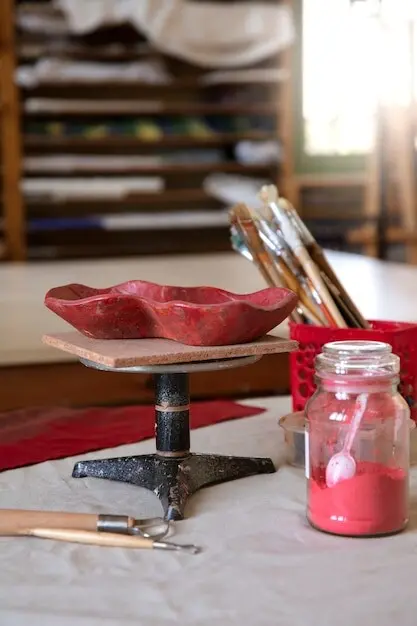
For driftwood and hemp goods, choose breathable oils and waxes that nourish without sealing pores. Avoid thick films that crack. Control light and humidity in storage; elevate pieces from concrete floors. Tighten lashings seasonally, refresh cordage where fibers fuzz, and label archival boxes. Gentle rituals outperform miracles, letting material character deepen without tipping into neglect or fragility.

Contemporary Crossovers and Innovation

Apprenticeships and Field Schools Worth Traveling For

Short, intensive sessions in mills, quarries, and shoreline workshops compress years of guesswork into confident starts. Scholarships widen access; tool libraries keep momentum afterward. Graduates return as assistants, strengthening continuity. Publish safety and inclusion policies clearly. When we welcome questions without gatekeeping, techniques survive, humor stays, and new hands add necessary, living chapters to regional practice.

Selling Stories Without Selling Out

Narrative earns trust when it stays specific: name valleys, mills, boats, and cultivars. Share costs and mistakes alongside triumphs. Avoid empty nostalgia and uncheckable claims. Photographs should respect people and places. Durable packaging, repair vouchers, and take-back programs make promises real. Buyers become stewards, not spectators, sustaining a market that funds care rather than accelerates extraction.
Lentodaxivanidexokarosano
Privacy Overview

This website uses cookies so that we can provide you with the best user experience possible. Cookie information is stored in your browser and performs functions such as recognising you when you return to our website and helping our team to understand which sections of the website you find most interesting and useful.